You are bidding and the numbers feel like a guess
Equipment count, duration and power are the three things most commercial bids get wrong. Get them checked before the price goes out.

Available today
Per-project advisory for restoration contractors who have landed — or are bidding — commercial work. Bring in the drying strategy before the equipment shows up.
Independent of the training programme. Nationwide.
What's included
Engagements are shaped around the job in front of you. These are the areas the work covers.
Reading the building and the loss: affected materials and assemblies, categories and classes, access, containment, and what actually has to dry versus what has to be removed.
Open, closed or a hybrid; where to precondition; how the building's own HVAC helps or fights you; and the psychrometric target that makes the plan defensible.
Desiccant versus refrigerant, capacity and staging, CFM and airflow budgeting, filtration, and what to rent rather than buy for a one-off.
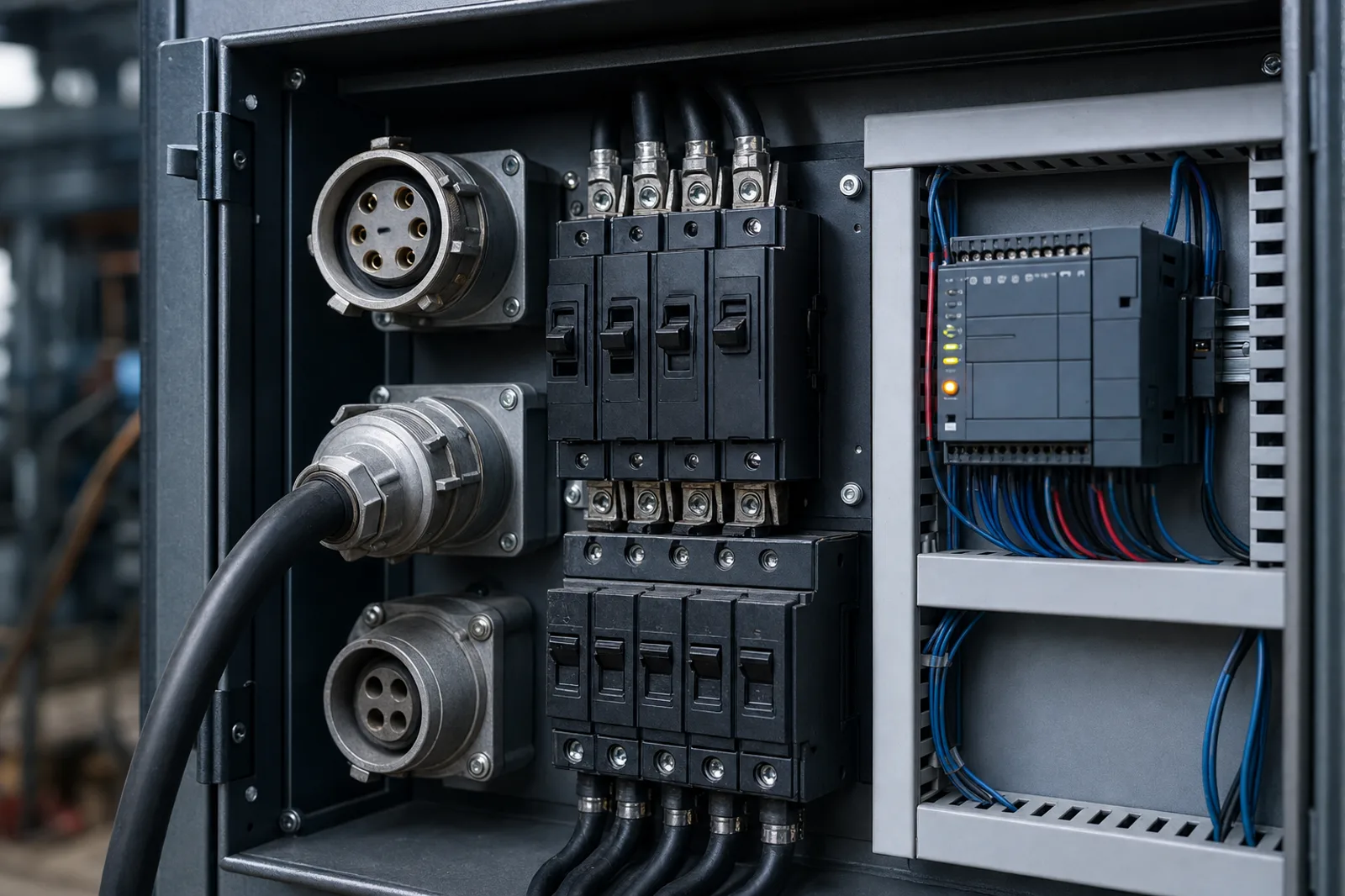
What the service will carry, generator sizing and load balancing, distribution and cable runs — the constraint that quietly decides your equipment plan.
Readings, logs and the narrative that goes with them, structured so the plan survives a review by the carrier, the consultant or the building owner.
Sequencing, staging, mobilization and the checkpoints that tell you early whether the structure is drying on schedule.
How engagements work
Building type, water category and class, affected area, what is already on site, what power you have and what the deadline is.
A working call to fill the gaps — readings, photos, floor plans, the mechanical situation and the commercial pressure you are under.
Drying approach, equipment list and sizing rationale, power plan, and the documentation you should be capturing from day one.
Check-ins as conditions change. Commercial jobs move; the plan should move with them.
Who it's for
Equipment count, duration and power are the three things most commercial bids get wrong. Get them checked before the price goes out.
A mobilization plan, an equipment list with a rationale behind it, and a documentation structure — before day one, not after.
Day four, readings flat, meter running. A second set of eyes on the psychrometrics, the airflow and the containment.
Which equipment to own, which to rent, and where the CDS body of knowledge should shape how your team works.
Catalyst Training advises on strategy, sizing, power and documentation. It does not replace your own licensed trades, engineering sign-off, or the professional judgment of the contractor of record on the loss.
Get started
The more specific the detail, the more useful the first reply. Square footage, water category and class, current equipment, available power and the deadline all help.
Consulting is available today. Tell us about the building and the loss and you'll get a reply within two business days.